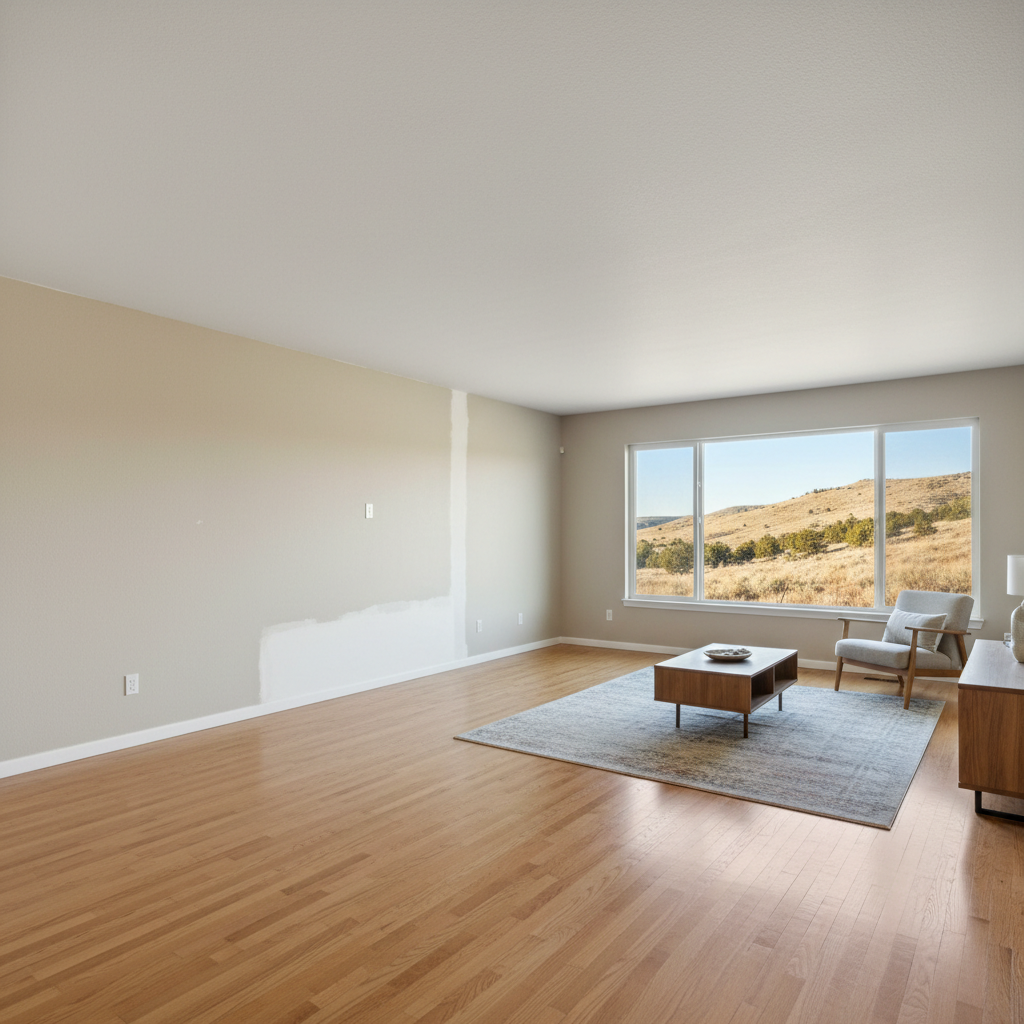
Water damage does not always announce itself with a dramatic pipe burst. Here in Midvale, where we deal with heavy spring snowmelt from the Wasatch range and dry summer heat that shifts our local clay soil, moisture issues can creep up on properties. North Ridge Restoration Inc has seen how a small basement leak turns into a major headache if the problem is ignored. Property owners need to know about keeping a home dry and protecting any past Water Damage Restoration work.
What Regular Maintenance Looks Like
Staying ahead of Water Damage Restoration takes routine checks around the house. Property owners cannot just fix a leak once and forget about the issue. Walk your property line after heavy rains or when the snow melts off the roof. Make sure your gutters carry water at least a few feet away from your foundation. Midvale's heavy clay soil does not drain very fast, so water tends to pool right against basement walls if you let the drainage get blocked.
Check your indoor plumbing twice a year. Look under every sink for slow drips, inspect supply lines to your washing machine, and test your sump pump before the spring thaw hits. Cleaning out window wells is another chore people forget. Leaves and debris trap moisture against basement windows, inviting rot and leaks.
Warning Signs of Hidden Moisture
Your nose and eyes will usually tell you when something is wrong before a pipe completely fails. Pay attention to these indicators:
- A musty, earthy smell in the basement or crawlspace that will not go away.
- Peeling paint or bubbling wallpaper near baseboards and corners.
- Stained or sagging drywall on ceilings and walls.
- White, powdery deposits on concrete basement walls, which means moisture is moving through the masonry.
- Unexplained spikes in your monthly water bill.
Catching these signs early saves homeowners thousands of dollars in structural repairs. Wood framing and drywall do not mix well with standing water, and mold can start growing in less than 48 hours under the right conditions.
How to Extend the Life of Water Damage Repairs
If you have already had cleanup and restoration work done, protecting that work is all about controlling humidity. Utah's air is naturally dry most of the year, but basements can trap dampness. Run a dehumidifier in your lower level during the humid summer months to keep relative humidity below fifty percent.
Keep up with exterior grading. Over time, the soil around a house settles. If you notice the dirt sloping toward your foundation instead of away from it, bring in some topsoil to rebuild that slope. The fix is straightforward and stops surface water from pressing against your basement walls.
When to Call a Professional
Some do-it-yourself projects make sense, but Water Damage Restoration requires specialized gear and training. You need to call in a pro if the water covers a large area, has soaked into structural framing, or involves sewage backup. Hidden moisture behind walls requires commercial air movers and moisture meters to dry out properly. If you spot mold colonies larger than a few square feet, do not try to bleach them away yourself. Call North Ridge Restoration Inc for professional Water Damage Restoration services in Midvale, UT.